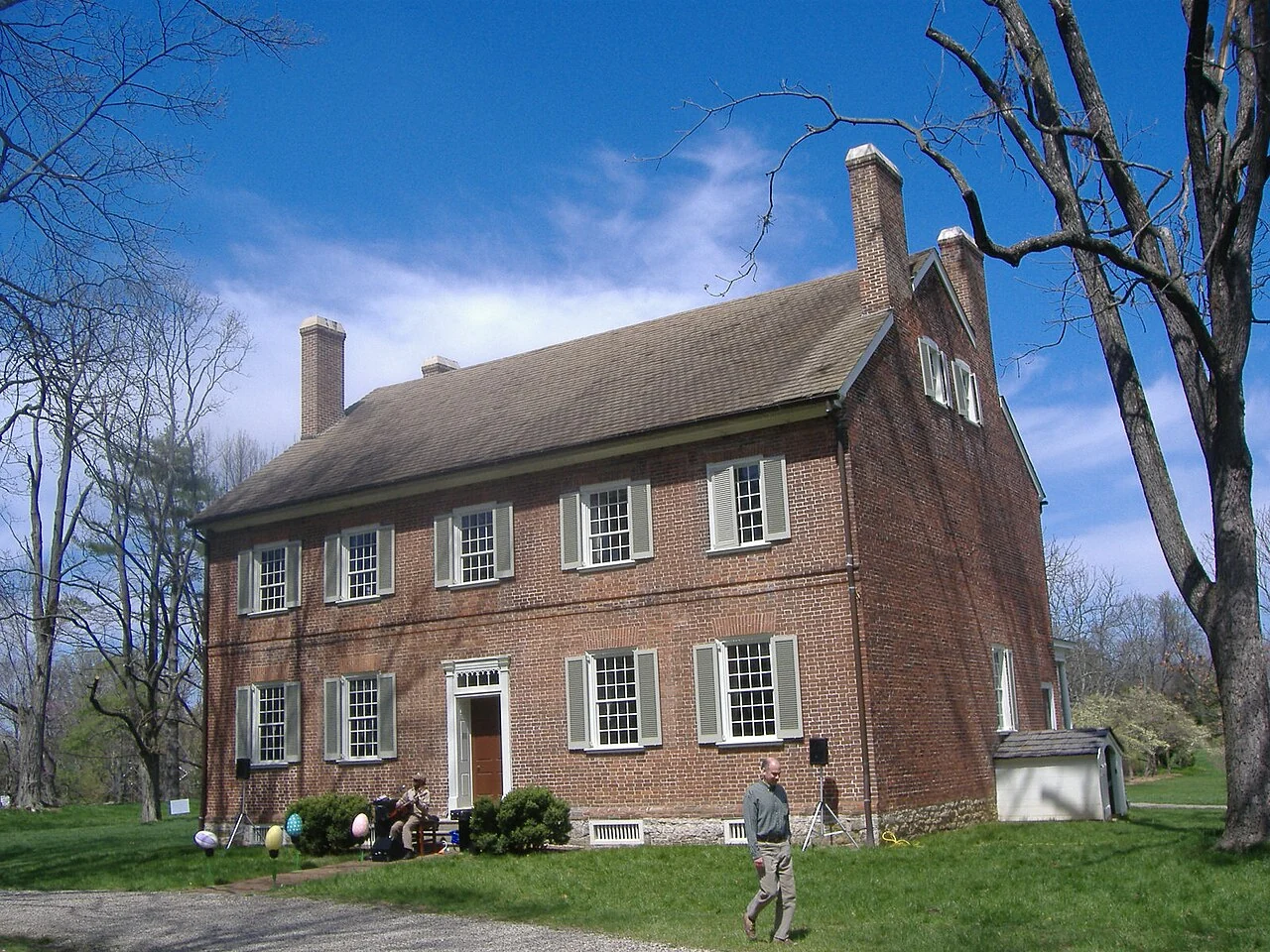
The setting is the main attraction. Most notable homes remain private, while nearby public sites provide opportunities to explore the river landscape and regional history. For a homebuyer, the details of the land, building, access, and property restrictions deserve as much attention as the address.
Homes & everyday life
in Glenview.
In Glenview, land and site features can be a substantial part of the purchase. Compare the house together with its usable grounds, mature landscape, access, and any additional structures.
Look a little closer.
Inspect trees, drainage, retaining features, and driveway condition. Establish maintenance responsibilities and the approvals needed for planned changes before treating an expansive setting as effortless space.
Tina’s Green Tree home search.
Opens in a new tab.
Get your bearings
The city's historical overview places Glenview roughly between River Road, Lime Kiln Lane, Brittany Woods Circle, and the area near the Knights of Columbus property on River Road. Use an official parcel or municipal map for a precise boundary rather than treating those landmarks as a survey.
Glenview Hills and Glenview Manor are separate nearby communities. A similar name or a Glenview description in a listing does not establish that a house is within the City of Glenview. The city's service page identifies a local post office at 4330 Glenview Avenue, another useful reference point. City history, City services
Sights to see and things to do
Appreciate the residential landscape from public space
Glenview's winding lanes, mature tree cover, stonework, and estate entrances are the features to notice on a careful visit. The relationship between buildings and landscape is often more distinctive than any single architectural detail.
Respect private drives and property boundaries. Avoid stopping where a narrow road cannot safely accommodate a parked vehicle, and do not assume a scenic lane is a public walking trail. A planned drive or a walk along an appropriate public route is a better fit than attempting to enter estate grounds. City overview
Visit Historic Locust Grove nearby
Historic Locust Grove, 561 Blankenbaker Lane, is a separate public historic site in the broader area. Established by William and Lucy Clark Croghan around 1792, it offers a way to examine early regional history through a preserved property rather than through private residences viewed from the road.
The site's self-guided grounds interpretation includes gardens, a springhouse, a smokehouse, other working spaces, and an archaeological site associated with enslaved people's housing. Those features place the main residence within the labor and household systems that supported it.
Check current admission, house-tour times, and grounds access before visiting. A scheduled guided tour and a self-guided outdoor visit are different experiences. Locust Grove, Grounds walking tour
Add Hays Kennedy Park to a river-corridor outing
Farther along the corridor, Hays Kennedy Park at 7003 Beachland Beach Road offers public recreation near Harrods Creek. Metro Parks lists walking, a playground, picnic facilities, courts, ballfields, cricket facilities, and river frontage.
The park honors Hays Robinson Kennedy, who supported young people and recreation in the Harrods Creek and Prospect area. Its name carries a local community-service history.
This is a nearby destination outside Glenview's residential core. Check the park's current notices before planning a particular activity. Hays Kennedy Park
Walk Garvin Brown Preserve
Garvin Brown Preserve, beside Hays Kennedy Park, is owned and managed by River Fields. Its approximately 46 acres include river-edge woodland, grassland, wetlands, and walking trails.
The operator lists dawn-to-dusk public access and requires dogs to be leashed. Trails are grass and dirt rather than paved surfaces, so conditions after rain matter. Restrooms and drinking water are in the neighboring park.
River Fields also describes a conceptual improvement plan. Proposed viewing platforms, seating facilities, or access improvements should not be assumed complete simply because they appear in that plan. Preserve access and current plans
Homes and real estate
Evaluate the property as a whole
Glenview's estate history means that land and site features can be central to a purchase. In addition to the house, assess driveways, retaining walls, outbuildings, drainage, tree condition, and the maintenance needed for landscaped grounds.
A large lot does not necessarily provide a large level lawn. Slopes, wooded areas, easements, and the arrangement of structures may limit how land can be used. Walk the property with the survey and intended uses in mind rather than relying only on the advertised acreage.
Historic character can come with specialized work
An older estate house may contain masonry, windows, roofing, plaster, or mechanical arrangements that require specialized evaluation. Ask for the history of additions and major renovations, and distinguish original features from later reproductions or replacements.
Before planning exterior changes, establish the property's actual historic status and any applicable local approvals, deed restrictions, or conservation easements. National Register listing, municipal zoning, and a private easement are separate matters; none should be inferred solely from the neighborhood name.
Study elevation, water, and access separately
The city's association with river bluffs does not establish the flood exposure of every parcel or access road. Review current mapping and site conditions for the exact property, including low points along the route to it.
Check drainage, slopes, retaining structures, and any history of water intrusion. A river view also does not establish ownership of the shoreline or a right to build a dock. If waterfront access is part of the appeal, verify it through the property documents and responsible authorities.
Confirm the ongoing costs and services
The city publishes property-tax contacts, refuse arrangements, and road-maintenance information. Confirm the current provisions for the actual address, including any private-road obligations or shared maintenance agreements.
For pricing, comparable properties need to match more than bedroom count. Acreage, building condition, architectural significance, location, and the cost of maintaining improvements can materially affect the comparison. This guide does not supply a current market valuation or promise future appreciation. City service information
A useful first visit
Combine a respectful look at Glenview's public streets with a scheduled visit to Locust Grove. If time permits, continue to Hays Kennedy Park and Garvin Brown Preserve for public access to the river landscape.
When considering a home, return for a dedicated property visit and a test of everyday routes. The combination of architectural character and wooded land is easier to assess when you also understand access, maintenance, and the limits of what the property includes.
Before you make a move.
Schools, ownership costs, and the questions to bring to a home tour.
Where should I start a home search in Glenview?
In Glenview, land and site features can be a substantial part of the purchase. Compare the house together with its usable grounds, mature landscape, access, and any additional structures. Start by choosing which of those priorities matters most, then compare properties with similar condition, setting, and ownership responsibilities.
How do I check the schools for a particular home?
Use the exact address to identify the responsible district, then confirm the school for each grade and the year you plan to enroll. A nearby school or a community name in a listing is not an attendance assignment. Ask the district about enrollment and transportation for your situation.
JCPS School FinderHow should I compare prices and monthly costs?
Ask Tina for recent comparable sales matched to the home’s location, condition, size, and land. For monthly planning, include taxes, insurance, and any association fees alongside the mortgage, then allow for utilities, repairs, and ongoing maintenance. Obtain estimates for the property you are considering.
CFPB guide to ownership costsWhat should I do during a first property visit?
Inspect trees, drainage, retaining features, and driveway condition. Establish maintenance responsibilities and the approvals needed for planned changes before treating an expansive setting as effortless space. Also make the trips you would repeat during a normal week, at the times you would use them. The suggested first visit in this guide introduces local places; a home tour should test your everyday routine too.
Can I make changes after buying?
Before budgeting for an addition, exterior renovation, outbuilding, or different use, identify the property’s jurisdiction and ask the responsible planning office about the project. Review recorded restrictions and association documents where applicable. For an older home, also establish whether historic-district review applies.
A few places to compare.
Explore another community, then talk with Tina about how the homes and daily routines fit your plans.
Follow along.
Local listings, market updates, and open houses.