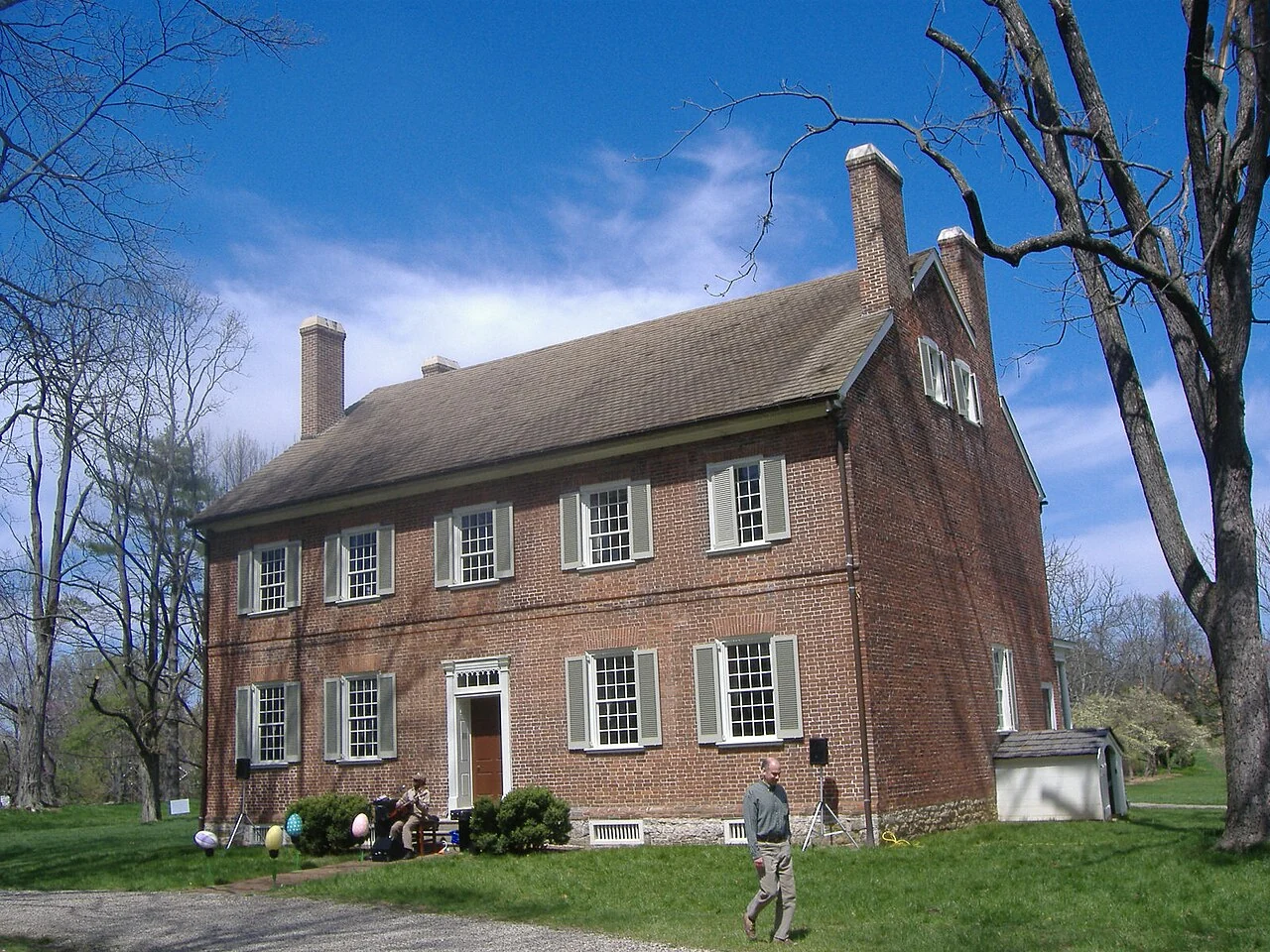
Its appeal centers on the residential setting rather than a commercial main street. Nearby public parks, historic attractions, and shopping corridors provide destinations beyond the city limits. For a prospective buyer, the most revealing visit combines time on the actual residential block with a practical look at the routes to those surrounding amenities.
Homes & everyday life
in Rolling Fields.
Compare how each traditional or Cape Cod-style home has changed over time. Additions, bedroom arrangements, stairs, and the connection to outdoor space can matter more than a familiar exterior.
Look a little closer.
Review the quality and documentation of renovations, drainage, and major systems. Confirm the municipal services and practical routes that apply to the actual property.
Tina’s Green Tree home search.
Opens in a new tab.
Get your bearings
The PVA describes Rolling Fields as lying north of Brownsboro Road, with Louisville Country Club to the north, Indian Hills to the east, and Mockingbird Valley to the west. It is a separate home-rule city, not simply another name for Indian Hills.
It should also not be confused with Rolling Hills, a different Jefferson County municipality. The distinction matters when searching property records, checking city services, or reading development requirements. Verify the address through the responsible local government and property records. PVA neighborhood guide, City website
Sights to see and things to do
Explore the residential streetscape respectfully
The main thing to see within Rolling Fields is the relationship between homes, front gardens, mature trees, and the street pattern. A slow, attentive visit reveals differences in original architecture, later additions, and landscaping.
Stay on public routes and respect private yards and driveways. If walking, check the available pedestrian space and crossings rather than assuming every route has a continuous sidewalk. For a housing search, walk the block around the specific property as well as viewing the house itself.
Understand the country club boundary
Louisville Country Club is an important neighboring land use, but it is a private club serving members and their guests. Its golf course, tennis, swimming, and dining facilities should not be presented as public neighborhood amenities or benefits automatically included with a nearby home.
If club participation matters to a purchase, obtain membership and guest information directly from the club. The value of a view across club land and the right to use that land are separate questions. Louisville Country Club information
Visit Carrie Gaulbert Cox Park nearby
Carrie Gaulbert Cox Park, 3730 River Road, offers public river frontage outside Rolling Fields. Metro Parks lists walking, picnic facilities, a playground, fishing, and boat-launch facilities.
The park was named for Carrie Gaulbert Cox following a gift from her daughter. It provides a public way to enjoy the Ohio River landscape without relying on access through private residential or club property.
Check river conditions and any ramp or park notices before a boating trip. The presence of a boat ramp on an amenity list does not guarantee usable conditions on every day. Cox Park
Add Thurman-Hutchins Park
Thurman-Hutchins Park, 3734 River Road, offers another nearby public recreation setting. Its listed amenities include walking, a playground, fishing, picnic facilities, and athletic fields.
The park's history connects it with a gift from David and Betty Jones and names honoring their mothers. It is a useful stop for a casual walk or family outing, with organized field use requiring separate attention to schedules and reservations. Thurman-Hutchins Park
Explore regional history at Locust Grove
Historic Locust Grove, 561 Blankenbaker Lane, is another destination in the broader area. Its historic house and interpreted grounds provide context for the agricultural and domestic history that preceded later suburban development.
The grounds tour includes working outbuildings and an archaeological site associated with enslaved people's housing, helping visitors understand more than the main residence alone. Confirm current hours and tour arrangements before making it part of the day. Historic Locust Grove, Grounds interpretation
Homes and real estate
Look beyond the original architectural style
A Cape Cod or traditional two-story house can have a very different interior after decades of changes. Compare bedroom placement, bathroom access, ceiling heights, storage, and the relationship between original rooms and additions.
Ask for records of major renovations. A modern kitchen does not establish that electrical service, plumbing, drainage, roofing, or insulation were comprehensively updated. Evaluate the actual work and condition rather than treating a renovation date as a complete description.
Review the rules before planning changes
The city's website provides links for building permits, ordinances, and deeds amended in 2025. Those are important starting points before assuming an addition, fence, outbuilding, or other alteration will be allowed.
Obtain the documents applicable to the specific lot and clarify which approvals are required. A municipal permit and compliance with private deed restrictions are separate issues. Do not rely on an old listing description or a neighboring property's alteration as proof that your proposed work is permitted. Rolling Fields property and city resources
Include the grounds in the inspection
Mature trees and established landscaping are part of the setting, but also part of the maintenance responsibility. Consider major tree health, drainage, retaining features, and the condition of drives and walks.
For a property adjoining club land or another large tract, verify the surveyed boundary and any easements. Do not assume that an open view or informal path creates a permanent right of use.
Compare the exact location and ownership costs
Confirm city taxes and services, insurance, maintenance obligations, and school assignment for the address. Visit at different times to understand traffic and noise near the property, especially where the residential area meets a busier corridor.
Recent sales should be selected for similar condition, size, lot, and immediate setting. The city name alone does not establish a current price range or guarantee appreciation.
A useful first visit
Explore the residential streets around a home of interest, then make a separate stop at Cox Park or Thurman-Hutchins Park. Add a confirmed Locust Grove tour if you want more historical context.
That combination shows both Rolling Fields' compact residential character and the public destinations available nearby. It also keeps private club facilities and neighboring attractions distinct from what ownership of a particular home actually includes.
Before you make a move.
Schools, ownership costs, and the questions to bring to a home tour.
Where should I start a home search in Rolling Fields?
Compare how each traditional or Cape Cod-style home has changed over time. Additions, bedroom arrangements, stairs, and the connection to outdoor space can matter more than a familiar exterior. Start by choosing which of those priorities matters most, then compare properties with similar condition, setting, and ownership responsibilities.
How do I check the schools for a particular home?
Use the exact address to identify the responsible district, then confirm the school for each grade and the year you plan to enroll. A nearby school or a community name in a listing is not an attendance assignment. Ask the district about enrollment and transportation for your situation.
JCPS School FinderHow should I compare prices and monthly costs?
Ask Tina for recent comparable sales matched to the home’s location, condition, size, and land. For monthly planning, include taxes, insurance, and any association fees alongside the mortgage, then allow for utilities, repairs, and ongoing maintenance. Obtain estimates for the property you are considering.
CFPB guide to ownership costsWhat should I do during a first property visit?
Review the quality and documentation of renovations, drainage, and major systems. Confirm the municipal services and practical routes that apply to the actual property. Also make the trips you would repeat during a normal week, at the times you would use them. The suggested first visit in this guide introduces local places; a home tour should test your everyday routine too.
Can I make changes after buying?
Before budgeting for an addition, exterior renovation, outbuilding, or different use, identify the property’s jurisdiction and ask the responsible planning office about the project. Review recorded restrictions and association documents where applicable. For an older home, also establish whether historic-district review applies.
A few places to compare.
Explore another community, then talk with Tina about how the homes and daily routines fit your plans.
Follow along.
Local listings, market updates, and open houses.