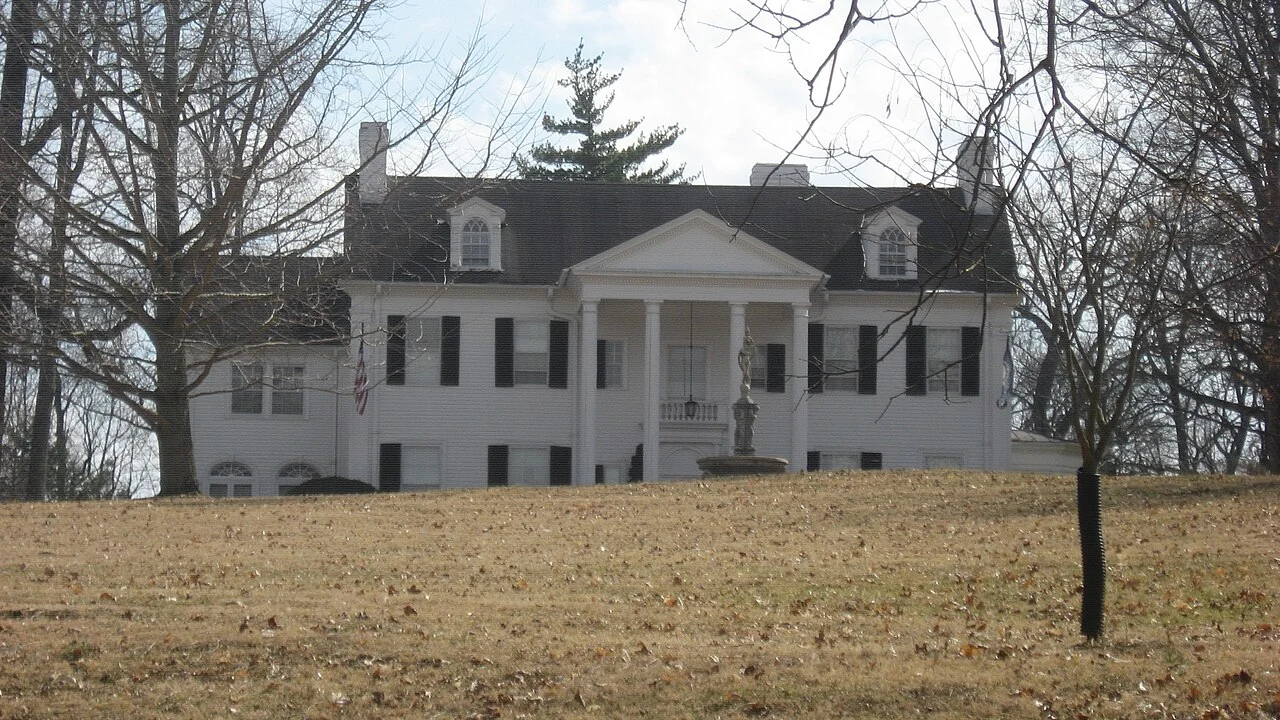
For a homebuyer, that character comes with specific questions. City limits, school-district boundaries, historic-preservation requirements, and the condition of a property's landscape all deserve attention. An Anchorage address is a starting point, not a complete description of the property.
Homes & everyday life
in Anchorage.
Compare historic houses, country-estate settings, and smaller homes individually. Mature trees and a generous lot can be appealing, but privacy, usable outdoor space, interior function, and upkeep need their own assessment.
Look a little closer.
Walk the landscape and look at tree condition, drainage, driveway access, and the relationship to neighboring homes. Inside, test the floor plan for daily use; confirm school boundaries and proposed-work approvals before relying on an Anchorage address.
Tina’s Green Tree home search.
Opens in a new tab.
Get your bearings
Anchorage remains a separate municipality within the wider Louisville metropolitan area. Its history developed from country houses and summer cottages into a year-round residential community surrounded by metropolitan growth.
The Jefferson County PVA describes a mixture of historic homes, country estates, and smaller houses. That is more accurate than assuming every property is a large estate. Location within the city, lot configuration, age, condition, and school-district status can make two Anchorage listings quite different. City history · Jefferson County PVA: Anchorage
Sights to see and things to do
Anchorage Trail
The Anchorage Trail is a roughly two-mile paved loop beginning near the village center. Its owner describes a route through woods, fields, and wetland scenery, with Willow Lake and Little Goose Creek among the features along the way.
The trail is privately owned but open to the public during daylight hours. Dogs must be leashed; fishing, skateboards, drones, and motorized vehicles are prohibited under the posted visitor rules. Use the operator's parking map so a trail visit does not interfere with nearby businesses.
This is a good first outing for understanding Anchorage's landscape. It also provides a more predictable walking surface than a rugged woodland hike. Trail map, parking, and rules
The village center and anchor monument
Explore the center slowly enough to notice the anchor-and-wheel monument, older buildings, and road layout. The monument brings together the riverboat and railroad stories behind the community's name and growth.
Public streets and sidewalks provide the appropriate vantage points for private buildings. Anchorage's historic residential character does not make houses, gardens, or driveways open to visitors. City history
A meal at the former station
The Village Anchor provides a way to spend time in a reused historic building rather than simply view it from outside. The restaurant and its lower-level Sea Hag Pub occupy the former station property.
Check current dining hours and reservations directly. Combining a meal with a daylight trail walk makes a useful introductory visit, with enough time between the two to see the village center. The Village Anchor · Building history
The Powerhouse
At 11411 Park Road, the Powerhouse originally supplied energy to the nearby Insurance Building. Its owner has restored it for office use.
The building adds an industrial element to a community more often associated with houses and landscape. View it as an example of adaptive reuse from appropriate public areas; its present function is an office, not a public museum. Powerhouse history
Historic streets and architecture
A neighborhood walk can be as rewarding as a checklist of attractions. Look for changes in house scale, setbacks, tree canopy, stonework, and the way roads turn around older landscape features.
The city's historic-preservation program protects more than isolated buildings. The commission regulates changes to landmarks and properties within the local preservation district, reflecting the importance of the broader setting. Anchorage Historic Preservation Commission
Neighborhood and real estate considerations
Verify the school district at the property
Not every home inside Anchorage's city limits is in the Anchorage Public School District. The city explicitly instructs buyers and residents to contact the school to verify a specific address.
Anchorage Public School serves kindergarten through eighth grade. Establish the actual enrollment and later-grade arrangements relevant to your household directly with the appropriate school officials. A listing's use of “Anchorage” should not be treated as a guarantee of eligibility. City school information
Understand historic review before designing changes
The city says that new construction, additions, publicly visible alterations, and demolition within the historic district require Historic Preservation Commission approval. Ordinary zoning and other requirements may apply as well.
If a purchase depends on a particular addition, garage, demolition, or exterior change, review that proposal before assuming it can proceed. The protected character that attracts a buyer is also something the city actively regulates. City permit guidance
Include trees and landscape in the inspection
The mature canopy contributes strongly to Anchorage's setting, but large trees and extensive landscaping also require care. Examine tree condition, drainage, retaining walls, and the relationship between roots, buildings, and paved areas.
The city requires review for tree removal and various landscaping or ground-disturbance projects. Consult the current forms before work begins, including for storm-damaged or dead trees. Tree and construction permits
Compare the lot as well as the house
Two properties with similar interiors can differ substantially in slope, usable outdoor space, driveway layout, tree cover, and maintenance needs. Older homes may also have additions from several periods.
A meaningful comparison should include those differences, the condition of major systems, and any deed restrictions or association responsibilities. Historic character can be a major benefit without eliminating the need for a detailed building inspection.
Test the everyday routes
The winding roads and village setting are part of Anchorage's identity, but they do not automatically provide a continuous pedestrian route from every home to every destination. Walk or drive the actual connection to the trail, school, or local business you expect to use.
For regional travel, test the commute during the relevant hours. Avoid relying on a broad estimate measured from the center of Anchorage when the house may sit on a different side of the city.
A useful first visit
Begin with the village center and a daylight walk on the Anchorage Trail. Include the former station building and observe the historic streets from public areas. Then spend time around the particular homes that interest you.
For a serious property comparison, add school-boundary confirmation and a review of applicable preservation requirements. Those two checks can materially change how well a house fits your plans.
Before you make a move.
Schools, ownership costs, and the questions to bring to a home tour.
Where should I start a home search in Anchorage?
Compare historic houses, country-estate settings, and smaller homes individually. Mature trees and a generous lot can be appealing, but privacy, usable outdoor space, interior function, and upkeep need their own assessment. Start by choosing which of those priorities matters most, then compare properties with similar condition, setting, and ownership responsibilities.
Does an Anchorage address mean a gated or private community?
No. Anchorage is a municipality, and its name alone does not establish a gated entrance, private road, club membership, or association amenities. If one of those features matters to you, verify it in the listing, property records, and governing documents for that home.
How do I check the schools for a particular home?
Anchorage Public School serves kindergarten through eighth grade. The city specifically notes that some properties inside city limits are outside the school district. Confirm eligibility with the school for the exact address, and investigate high-school arrangements separately.
City of Anchorage school informationHow should I compare prices and monthly costs?
Ask Tina for recent comparable sales matched to the home’s location, condition, size, and land. For monthly planning, include taxes, insurance, and any association fees alongside the mortgage, then allow for utilities, repairs, and ongoing maintenance. Obtain estimates for the property you are considering.
CFPB guide to ownership costsWhat should I do during a first property visit?
Walk the landscape and look at tree condition, drainage, driveway access, and the relationship to neighboring homes. Inside, test the floor plan for daily use; confirm school boundaries and proposed-work approvals before relying on an Anchorage address. Also make the trips you would repeat during a normal week, at the times you would use them. The suggested first visit in this guide introduces local places; a home tour should test your everyday routine too.
What should I know before changing an Anchorage property?
Discuss planned work with the city before treating it as part of the purchase budget. Anchorage reviews a range of construction and site changes; historic-district requirements and deed or association restrictions may add another layer. Tree work also has local permit requirements. Ask about the actual project and parcel.
Anchorage permits and approvalsA few places to compare.
Explore another community, then talk with Tina about how the homes and daily routines fit your plans.
Follow along.
Local listings, market updates, and open houses.