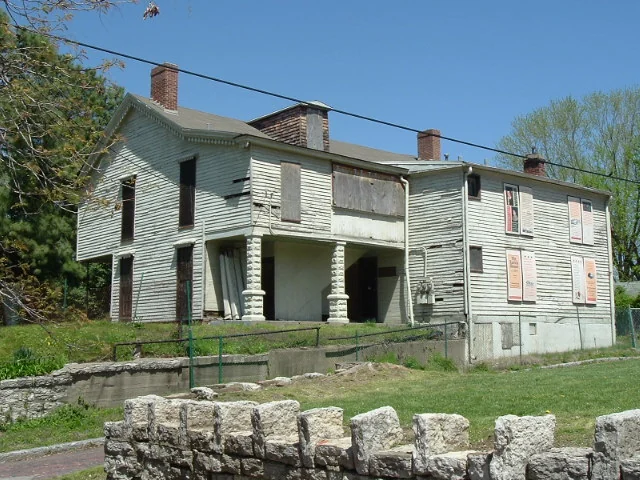
For a homebuyer, Portland presents a varied urban housing landscape. An older house with original details, a substantially renovated property, and a building needing major work may stand within a few blocks of each other. Understanding the individual building and its surroundings matters more than a broad claim about the neighborhood's direction or affordability.
Homes & everyday life
in Portland.
Shotgun houses, surviving early buildings, Victorian houses, and twentieth-century homes give Portland different residential forms. Compare their actual layouts, condition, and blocks rather than treating older character as one category.
Look a little closer.
Check bedroom and bathroom access, storage, stairs, parking, and outdoor space. Review major systems and alteration records, and visit the immediate surroundings at different times.
Tina’s Green Tree home search.
Opens in a new tab.
Get your bearings
The Jefferson County PVA describes Portland as stretching from 10th Street westward, with the Ohio River to the north and Market Street to the south. Its western edge follows an irregular line around the Shawnee Expressway rather than a simple rectangle.
Portland Avenue, Northwestern Parkway, and the streets leading toward the old wharf are useful starting points. The museum and library occupy different parts of the neighborhood, so allow time to travel between stops. Portland is a substantial residential neighborhood, not a single visitor district concentrated around one intersection. PVA neighborhood guide
Sights to see and things to do
Start with Portland Museum
Portland Museum, 2308 Portland Avenue, is the natural first stop for understanding the neighborhood. Its exhibitions and community-centered work connect river history with the people who have lived here.
The museum currently lists free admission and a Wednesday-through-Saturday visitor schedule. Confirm the day's hours before traveling, particularly if combining several stops. Its scale makes it a useful introduction before exploring the surrounding streets and waterfront history. Museum visitor information
Follow the AHOY project, but check its opening status
The museum is developing AHOY, Adventure House of You, an immersive children's attraction with maritime themes in a repurposed historic house. Its dedicated project page currently says under construction.
That makes it an interesting project to watch, but it should not be treated as an operating attraction when planning a visit. Check the museum's announcement before promising children access to the planned installations. AHOY project
Explore Portland Wharf's history
The wharf site rewards visitors who enjoy imagining earlier streets and river activity. Read about the archaeological work beforehand: knowing that foundations and household objects survive beneath the landscape gives an otherwise quiet outdoor stop more meaning.
Stay on public routes and leave artifacts undisturbed. Archaeological importance does not mean that visitors may excavate or collect objects. River conditions and park access can also affect a trip, so check local notices before heading toward the waterfront. Wharf archaeology and history
Visit the reopened library
The Portland Branch Library at 3305 Northwestern Parkway combines a longstanding neighborhood institution with renewed public space. It is a useful stop for readers, families, and people interested in Louisville's Carnegie library buildings.
Check its program calendar for storytimes, talks, and community activities. LFPL identifies accessible parking and a wheelchair ramp on 33rd Street, useful details when planning an arrival. Library information
Look for Louisville Visual Art programs
Louisville Visual Art, 1538 Lytle Street, adds another layer to Portland's cultural life through exhibitions and arts programming. Its exhibition archive shows the range of work presented, from juried shows to teaching artists and student work.
Use the organization's current calendar to select a visit. An archived exhibition page is evidence of its programming history, not proof that an older show remains on display. Louisville Visual Art, Exhibition archive
Make room for a neighborhood park
Lannan Park, 2375 Lannan Park Drive, provides a different kind of stop: space for everyday recreation. Metro Parks lists walking, a playground, picnic facilities, courts, and ballfields within its 17 acres.
It offers a useful counterpoint to the museum and wharf. Portland's public spaces serve residents' ordinary routines as well as visitors looking for historic landmarks. Lannan Park
Homes and real estate
Shotgun houses are an important part of the streetscape
The PVA identifies shotgun houses as Portland's predominant residential type, alongside surviving early buildings, Victorian houses, and twentieth-century homes. A shotgun's narrow footprint can provide a very different living arrangement from a wider suburban house.
Tour the floor plan carefully. Consider how rooms connect, where daylight enters, whether bedrooms have independent access, and how additions affect circulation. Two houses with similar exterior dimensions may function quite differently inside. PVA housing overview
Renovation quality matters more than fresh finishes
For an older property, ask what work was completed behind the walls and beneath the floors. Roof condition, masonry, crawlspace or basement moisture, electrical service, plumbing, and structural alterations deserve attention alongside kitchens and bathrooms.
If a property has been converted into multiple units or returned to single-family use, verify the permitted configuration and utility arrangements. Compare recent sales with similar condition, size, and lawful use; a fully rebuilt house is not a direct substitute for one requiring extensive repairs.
Evaluate the precise location
Portland's river history makes flood exposure an address-specific research item. Review current flood mapping, available property history, drainage, and insurance requirements rather than assuming that every house shares the same risk.
Also visit the immediate block at different times. Check parking, nearby commercial activity, truck routes, outdoor noise, and the actual route to the services you use. A historic-district label likewise needs verification at the parcel level before planning exterior work.
A useful first visit
Begin at Portland Museum during confirmed opening hours, then visit the library and explore nearby public streets. Add the wharf for archaeological history or Lannan Park for an outdoor break. An LVA exhibition can round out the trip when its schedule aligns.
If you are also considering a home, leave time to walk its particular block separately from the sightseeing stops. That combination reveals both Portland's distinctive history and the practical details of daily life in the neighborhood.
Before you make a move.
Schools, ownership costs, and the questions to bring to a home tour.
Where should I start a home search in Portland?
Shotgun houses, surviving early buildings, Victorian houses, and twentieth-century homes give Portland different residential forms. Compare their actual layouts, condition, and blocks rather than treating older character as one category. Start by choosing which of those priorities matters most, then compare properties with similar condition, setting, and ownership responsibilities.
How do I check the schools for a particular home?
Use the exact address to identify the responsible district, then confirm the school for each grade and the year you plan to enroll. A nearby school or a community name in a listing is not an attendance assignment. Ask the district about enrollment and transportation for your situation.
JCPS School FinderHow should I compare prices and monthly costs?
Ask Tina for recent comparable sales matched to the home’s location, condition, size, and land. For monthly planning, include taxes, insurance, and any association fees alongside the mortgage, then allow for utilities, repairs, and ongoing maintenance. Obtain estimates for the property you are considering.
CFPB guide to ownership costsWhat should I do during a first property visit?
Check bedroom and bathroom access, storage, stairs, parking, and outdoor space. Review major systems and alteration records, and visit the immediate surroundings at different times. Also make the trips you would repeat during a normal week, at the times you would use them. The suggested first visit in this guide introduces local places; a home tour should test your everyday routine too.
Can I make changes after buying?
Before budgeting for an addition, exterior renovation, outbuilding, or different use, identify the property’s jurisdiction and ask the responsible planning office about the project. Review recorded restrictions and association documents where applicable. For an older home, also establish whether historic-district review applies.
A few places to compare.
Explore another community, then talk with Tina about how the homes and daily routines fit your plans.
Follow along.
Local listings, market updates, and open houses.