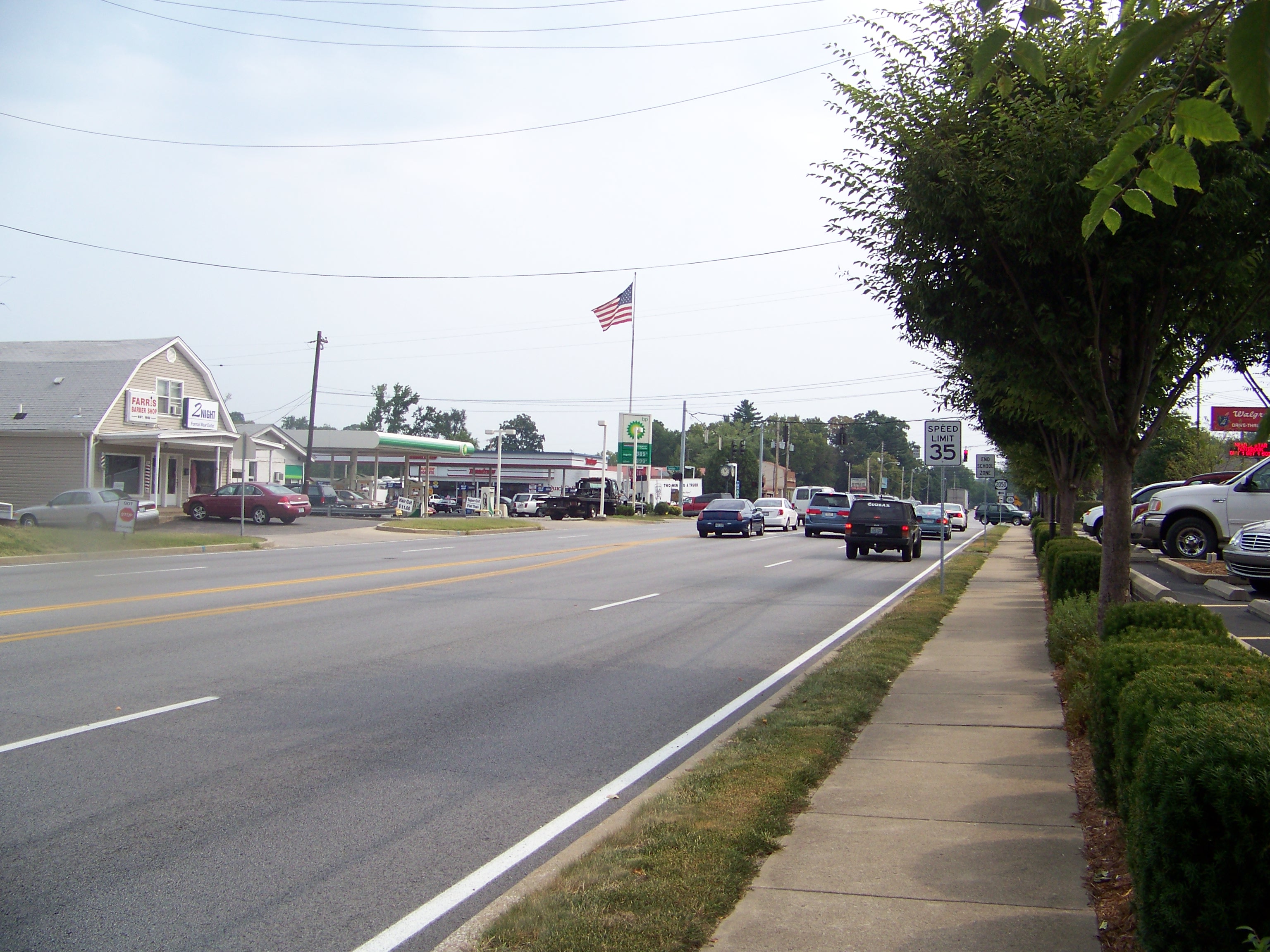
For visitors, the strongest introduction combines Robsion Park, Romara Place, and the nearby Northeast Regional Library. For prospective residents, Lyndon's housing variety is equally important. Established single-family streets, apartments, and other residential developments create several different living arrangements within the broader area.
Homes & everyday life
in Lyndon.
Lyndon's mix includes historic homes, multifamily buildings, and many houses from the second half of the twentieth century. Compare the ownership type and condition before treating nearby listings as direct substitutes.
Look a little closer.
Study additions, stairs, parking, and the condition of major systems. For shared-ownership property, review maintenance and fees; for any home, check the immediate route to services and major roads.
Tina’s Green Tree home search.
Opens in a new tab.
Get your bearings
Lyndon Lane, La Grange Road, Wood Road, and Whipps Mill Road provide useful reference points. The incorporated city's boundary is irregular and meets several other small municipalities. The PVA's neighborhood guide distinguishes Lyndon from nearby communities such as Moorland and Westwood.
Do not use a Louisville mailing address or a broad listing label to decide whether a parcel is inside Lyndon. Check the city boundary and the particular services attached to the address. Nearby attractions can serve Lyndon residents without necessarily lying within the municipal limits. PVA Lyndon-area guide
Sights to see and things to do
Make Robsion Park your first outdoor stop
Robsion Park occupies approximately 17 acres between Lake Avenue and La Grange Road. John M. and Laura Robsion donated the land to the city. Its walking path, playgrounds, picnic tables, and pavilions make it a practical place for an ordinary afternoon outdoors.
The city lists a walking loop of approximately three-eighths of a mile. Parking access is available through the Lyndon Post Office drive from La Grange Road and from Lake Avenue off Lyndon Lane. A separate pedestrian entrance faces Greenway Drive.
The park is open dawn to dusk. Check pavilion arrangements if planning a gathering: reserved areas and first-come use are different, and the city prohibits cooking and grilling in the park. Robsion Park access and rules
Treat the splash pad as a seasonal outing
Robsion Park's splash pad adds a warm-weather option, but it is not a year-round amenity. Confirm the current season and operating status through the city before planning around it.
The dedicated splash-pad page contains an older seasonal notice, so its dated closure wording should not be mistaken for a newly issued announcement. The park rules also state that the splash pad and adjacent pavilion cannot be reserved for private parties. Splash-pad information, Current park rules
Walk at Romara Place
Romara Place on Wood Road offers a quieter contrast to the playground activity at Robsion Park. The city describes an approximately quarter-mile public walking path with benches on the more-than-ten-acre property.
The house is available for special events, which is different from maintaining regular museum tour hours. Enjoy the public path and check with the city before expecting interior access. The property provides a tangible connection to Lyndon's early residential history without requiring a long excursion. Romara Place visitor information
Explore Northeast Regional Library
The Northeast Regional Library, 15 Bellevoir Circle, is a major nearby public resource. It opened in June 2019 and offers considerably more than book stacks: public meeting rooms, dedicated children's and teen areas, and maker spaces with an audiovisual lab and demonstration kitchen.
Its environmentally focused design earned LEED Gold certification in 2020. Features include geothermal heating and cooling and lighting designed to make use of available daylight. Check the program calendar and any registration requirements before planning to use specialized facilities. Northeast Regional Library
Notice historic Bellevoir beside the library setting
The historic Ormsby House, known as Bellevoir, was built around 1867 in the Italianate style. The property later served institutional uses involving children's care and education, a more complicated history than the appearance of a picturesque estate might suggest.
LFPL's page describes plans to restore the house for library-related use. That is not confirmation of completed restoration or regular public interior access. Treat it as a historic feature to appreciate from permitted public areas unless the library announces a specific opening or program. Bellevoir history and plans
Check the sports calendar at A.B. Sawyer Park
A.B. Sawyer Park, 9300 Whipps Mill Road, is another nearby recreation resource associated with Lyndon Recreation. The PVA describes a substantial athletic park and the organization's role in leagues and facilities.
Confirm schedules, registration, and field availability before planning organized play. This is A.B. Sawyer Park, not E.P. “Tom” Sawyer State Park; the similar names can send visitors to different destinations. Metro Parks directory, PVA recreation overview
Homes and real estate
Housing reflects several periods of growth
The PVA describes Lyndon's residential mix as including historic homes and multifamily buildings alongside many houses built in the second half of the twentieth century. Ranches, Cape Cods, cottages, bungalows, and two-story designs all appear in its overview.
That variety rewards an address-by-address search. Compare the layout, lot, renovation history, and immediate street rather than expecting a single architectural style across the city. A property on an older lane may feel quite different from an apartment near a commercial corridor. PVA housing overview
Look carefully at additions and usable space
In an established house, consider how later changes connect to the original building. A finished upper floor, converted garage, or expanded kitchen can affect storage, parking, headroom, and daily circulation. Confirm the permitted work and evaluate roof, drainage, electrical, and mechanical condition alongside visible finishes.
For an apartment or condominium, investigate the specific property's parking, shared maintenance, noise separation, and rules. Different forms of housing create different responsibilities even when they share the same neighborhood name.
Test the routes you will actually use
Drive or walk between the property and your usual destinations at realistic times. Road crossings, turning movements, rail activity near particular addresses, and the availability of sidewalks can matter more than straight-line proximity to a park or store.
Confirm municipal services and school assignment separately for the address. Use comparable recent sales or current rental terms for the same kind of property; no general neighborhood description establishes today's price or a particular investment outcome.
A useful first visit
Start with a walk at Robsion Park, continue to Romara Place, and add Northeast Regional Library for a look at a major public amenity serving the area. A sports visit at A.B. Sawyer works best when tied to a confirmed event or activity.
For a housing search, finish by exploring the exact street and testing your everyday routes. Lyndon's history explains how it developed, while those smaller practical details help determine whether a particular home suits your needs.
Before you make a move.
Schools, ownership costs, and the questions to bring to a home tour.
Where should I start a home search in Lyndon?
Lyndon's mix includes historic homes, multifamily buildings, and many houses from the second half of the twentieth century. Compare the ownership type and condition before treating nearby listings as direct substitutes. Start by choosing which of those priorities matters most, then compare properties with similar condition, setting, and ownership responsibilities.
How do I check the schools for a particular home?
Use the exact address to identify the responsible district, then confirm the school for each grade and the year you plan to enroll. A nearby school or a community name in a listing is not an attendance assignment. Ask the district about enrollment and transportation for your situation.
JCPS School FinderHow should I compare prices and monthly costs?
Ask Tina for recent comparable sales matched to the home’s location, condition, size, and land. For monthly planning, include taxes, insurance, and any association fees alongside the mortgage, then allow for utilities, repairs, and ongoing maintenance. Obtain estimates for the property you are considering.
CFPB guide to ownership costsWhat should I do during a first property visit?
Study additions, stairs, parking, and the condition of major systems. For shared-ownership property, review maintenance and fees; for any home, check the immediate route to services and major roads. Also make the trips you would repeat during a normal week, at the times you would use them. The suggested first visit in this guide introduces local places; a home tour should test your everyday routine too.
Can I make changes after buying?
Before budgeting for an addition, exterior renovation, outbuilding, or different use, identify the property’s jurisdiction and ask the responsible planning office about the project. Review recorded restrictions and association documents where applicable. For an older home, also establish whether historic-district review applies.
A few places to compare.
Explore another community, then talk with Tina about how the homes and daily routines fit your plans.
Follow along.
Local listings, market updates, and open houses.