For someone considering a home here, the central question is how a particular building fits daily life. A park-facing house, an apartment near Baxter Avenue, and a condominium in a historic building can offer very different experiences within a relatively compact area.
Homes & everyday life
in Cherokee Triangle.
Compare the ownership type and the arrangement of rooms, not just the size of the home. A historic detached house and a unit in a converted building can carry different maintenance and renovation responsibilities.
Look a little closer.
Inspect original details, later alterations, stairs, and parking. Establish which preservation requirements apply before pricing exterior changes, and check the actual route to nearby parks and services.
Tina’s Green Tree home search.
Opens in a new tab.
Get your bearings
Louisville's preservation office locates the district between Cave Hill Cemetery to the north, Baxter Avenue/Bardstown Road to the west, and Cherokee Park to the east. This is one distinct part of the broader Highlands, rather than a name for the entire Highlands area.
The city describes a predominantly residential district with both single-family homes and a substantial apartment presence. The boundary should be checked on the city's parcel map when evaluating an individual property; a listing's neighborhood label is not a substitute for the mapped preservation district. Cherokee Triangle Preservation District
Sights to see and things to do
Walk the residential streets
Start with Cherokee Road and Cherokee Parkway, then explore connecting blocks as time and mobility allow. Look at the relationship between houses and the street: front steps, porches, retaining walls, mature plantings, and the spacing between buildings are all part of the experience.
This is a useful outing even without an organized tour. Choose a short route and look closely instead of trying to cover the entire neighborhood. Photograph from public areas and treat houses, apartment entrances, gardens, and driveways as private property.
Spend time in Willow Park
Willow Park provides a smaller neighborhood gathering place alongside the much larger Cherokee Park landscape. It is also associated with the art fair and the association's summer concert programming.
A regular afternoon and a festival day show different sides of the area. During an event, allow for temporary street restrictions and greater competition for parking. The fair organizer specifically notes that it does not have a dedicated event parking lot. Art fair visitor information
Explore Cherokee Park
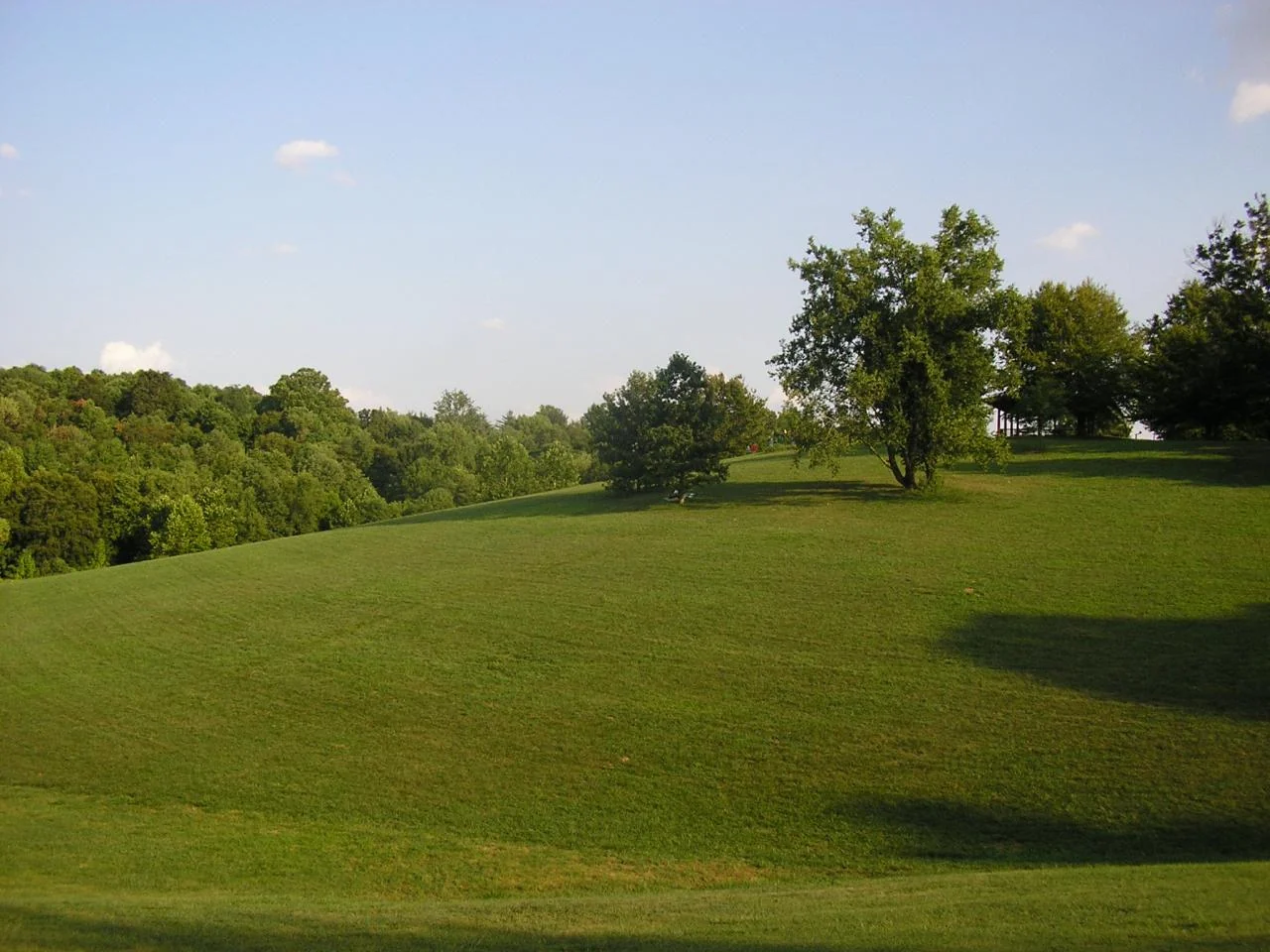
Cherokee Park was designed in 1891 as part of the Olmsted park system that also includes Iroquois and Shawnee parks. Its combination of wooded slopes, open meadows, and the Beargrass Creek valley makes it a substantial landscape rather than simply a neighborhood lawn.
Choose a park outing around the experience you want: a walk, a longer recreational route, or time enjoying the scenery. Check the park operator's current notices before choosing a specific entrance or activity, since maintenance and special programming can affect access. Olmsted Parks Conservancy: Cherokee Park
Visit Cave Hill Cemetery and its arboretum
At the neighborhood's northern edge, Cave Hill Cemetery offers a different kind of landscape experience. Founded in 1848 as a garden-style cemetery, it follows the contours of the land and combines memorial art with a significant collection of trees and shrubs.
The cemetery's arboretum information includes a Plants of Distinction map and explains the identification signs attached to selected trees. A visit can focus on horticulture as well as history. Remember that this remains an active cemetery: follow its visitor policies, give services privacy, and use its entrances rather than assuming neighborhood streets provide unrestricted access. Cave Hill arboretum
Add a stop along Baxter Avenue or Bardstown Road
The business corridor makes it possible to combine a neighborhood walk with a meal or shopping stop. Pick an actual destination and check its hours before setting out. The distance from a home to one part of the corridor may be quite different from the distance to the restaurant or shop you would use most often.
Real estate and housing character
Compare buildings as carefully as addresses
Cherokee Triangle's housing mix means that square footage alone is a weak comparison tool. A detached house places exterior maintenance directly on its owner. A condominium may distribute certain responsibilities through an association. A rental in a converted house can have a layout, heating arrangement, and parking situation quite different from a purpose-built apartment.
For an older house, ask for a clear maintenance history. Roof work, masonry repairs, drainage improvements, and electrical or mechanical upgrades tell a more useful ownership story than a general description such as “beautifully restored.” During a showing, look at how bedrooms, bathrooms, storage, and stairs would function for your own routine.
Understand preservation review before planning alterations
Depending on the scope, exterior projects in the local district require a Certificate of Appropriateness. The city's published process and guidelines should inform plans for changes to a building or its site. Discuss a proposed project with preservation staff before treating a listing's renovation potential as an approved option. District review process and guidelines
A useful buyer question is specific: “Can the rear addition, window replacement, or new garage I am considering be approved?” That is more informative than asking whether a property is simply “historic.” Obtain records for past work and clarify which proposed changes would need review.
Look closely at shared buildings and outdoor space
For a condominium, review the association's responsibility for the roof, masonry, elevators where present, common utilities, and insurance. Understand reserves, pending projects, and any special assessments before comparing monthly costs with a detached house.
For any property, confirm the actual parking arrangement. A garage, alley space, assigned condominium space, and ordinary street parking are different benefits. Walk the route from parking to the entrance and consider deliveries, visitors, and carrying groceries. Outdoor space deserves the same attention: a handsome front garden may serve a different purpose from the private yard or patio you want.
Things to know before choosing a home
Visit the exact block during more than one part of the day. Compare a weekday evening with a weekend, and distinguish normal conditions from an art fair or another special event. Listen from inside the home as well as from the sidewalk.
Walk the route you expect to use to the park or business corridor. Check crossings, grades, steps, and sidewalk conditions rather than assuming that nearby destinations make every trip equally easy. If school assignment matters, verify the address directly through the school district instead of relying on a neighborhood name.
A useful first visit
Begin with a short residential walk, spend time around Willow Park, and continue toward Cherokee Park if your schedule allows. Make Cave Hill a separate, deliberate stop during its visitor hours. Finish along the commercial corridor, then return to the particular block you are considering and evaluate its everyday details: entrance, parking, outdoor space, and the routes you would actually use.
Before you make a move.
Schools, ownership costs, and the questions to bring to a home tour.
Where should I start a home search in Cherokee Triangle?
Compare the ownership type and the arrangement of rooms, not just the size of the home. A historic detached house and a unit in a converted building can carry different maintenance and renovation responsibilities. Start by choosing which of those priorities matters most, then compare properties with similar condition, setting, and ownership responsibilities.
How do I check the schools for a particular home?
Use the exact address to identify the responsible district, then confirm the school for each grade and the year you plan to enroll. A nearby school or a community name in a listing is not an attendance assignment. Ask the district about enrollment and transportation for your situation.
JCPS School FinderHow should I compare prices and monthly costs?
Ask Tina for recent comparable sales matched to the home’s location, condition, size, and land. For monthly planning, include taxes, insurance, and any association fees alongside the mortgage, then allow for utilities, repairs, and ongoing maintenance. Obtain estimates for the property you are considering.
CFPB guide to ownership costsWhat should I do during a first property visit?
Inspect original details, later alterations, stairs, and parking. Establish which preservation requirements apply before pricing exterior changes, and check the actual route to nearby parks and services. Also make the trips you would repeat during a normal week, at the times you would use them. The suggested first visit in this guide introduces local places; a home tour should test your everyday routine too.
Can I make changes after buying?
Before budgeting for an addition, exterior renovation, outbuilding, or different use, identify the property’s jurisdiction and ask the responsible planning office about the project. Review recorded restrictions and association documents where applicable. For an older home, also establish whether historic-district review applies.
A few places to compare.
Explore another community, then talk with Tina about how the homes and daily routines fit your plans.
Follow along.
Local listings, market updates, and open houses.