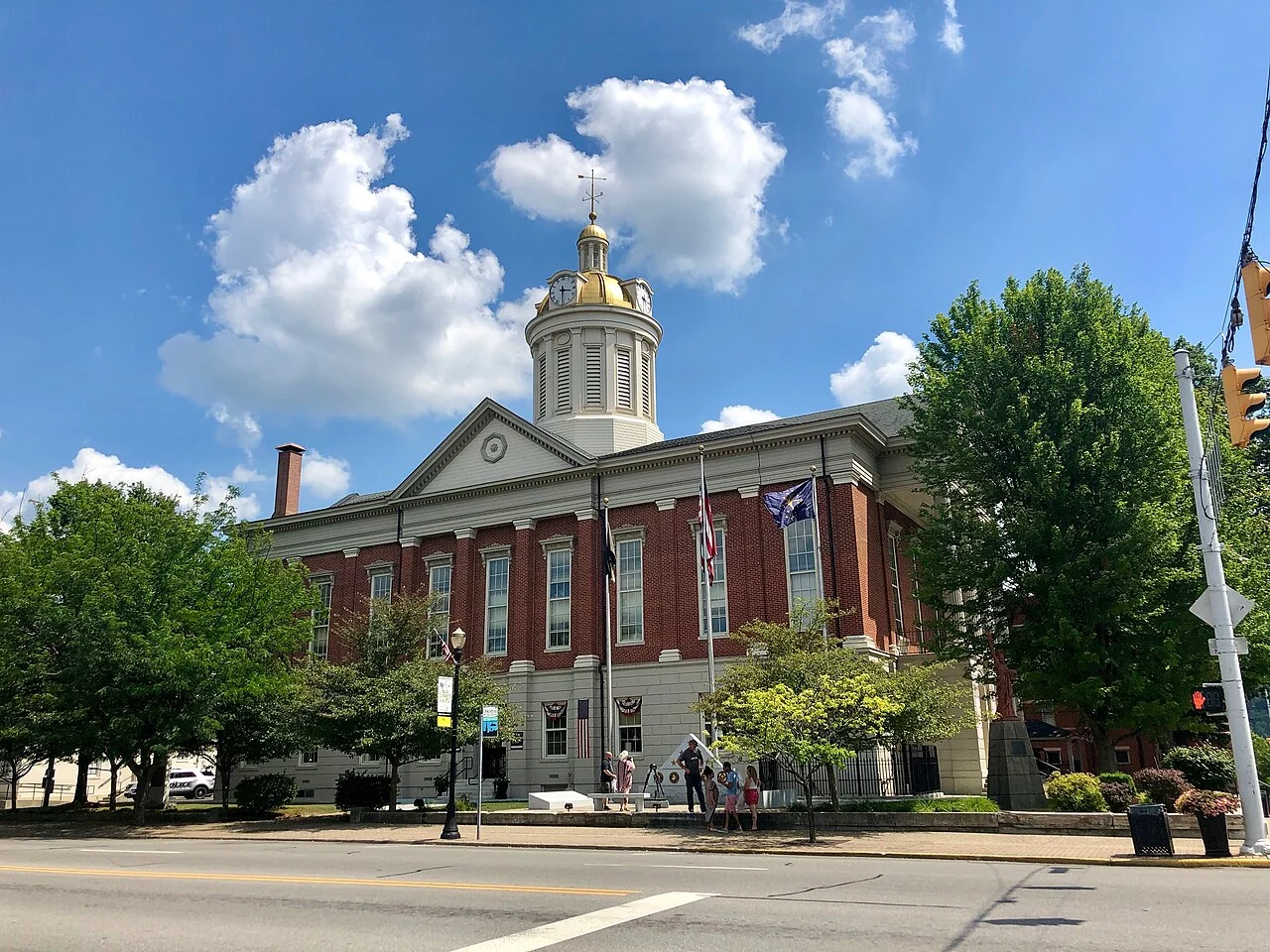
The most interesting Madison stories are not all about grand houses. A surviving saddletree factory explains skilled manufacturing, and the Georgetown neighborhood preserves the history of free Black residents and their assistance to freedom seekers. Together, these places make the city more than an architectural backdrop.
Homes & everyday life
in Madison.
Distinguish downtown historic surroundings from hilltop and outlying settings. The home, its street, and the route between your regular destinations will shape daily life differently in each.
Look a little closer.
For historic properties, check renovation requirements and the condition behind decorative details. For river or sloped settings, investigate drainage, access, and the practical use of the land.
Tina’s Green Tree home search.
Opens in a new tab.
Get your bearings
Begin downtown with Main Street, Broadway Fountain, and the riverfront. The visitor center is at 601 West First Street. The historic core and the hilltop around Clifty Drive are different settings; include both when evaluating Madison as a place to live. Visit Madison orientation, City planning context
A downtown walk, a museum tour, and a state-park hike each deserve their own time. Madison's compact historic streets do not mean every attraction or daily service is within the same short walk.
Sights and places to know
1. Lanier Mansion State Historic Site
Location: West First Street, downtown Madison.
Book a guided tour to understand the mansion's architecture and household history. The state site's interpretation also discusses restoration and the archaeological evidence used to reconstruct aspects of the property.
The current visitor information recommends reservations, and specialty tours require advance arrangements. Ask about access needs when booking rather than assuming every part of a historic house can be reached in the same way. Plan a visit
2. Broadway Fountain
Location: Broadway in the historic downtown.
The fountain is a useful meeting point and a natural pause during a walk. Look at its sculptural details, then step back to see how it fits into the surrounding streets.
It is free to visit. The tourism bureau notes a lower-slope entry for visitors using mobility aids but also cautions about uneven surfaces. The fountain is for viewing, not swimming or wading. Fountain visitor information
3. Main Street and an architectural walking tour
Location: Downtown historic district.
Take time to notice the variety of buildings and the way shops occupy the older streetscape. A guided or self-guided route can connect individual facades with the city's development.
Visit Madison provides walking-tour resources and lists Historic Madison, Inc.'s architectural tours on selected Saturdays from May through October. Check the actual calendar before building a day around a guided departure. Walking-tour resources
4. Schroeder Saddletree Factory Museum
Address: 106 Milton Street.
The factory offers a different kind of historic interior from a mansion. Machinery, work areas, and the story of the family business explain how products were made over generations.
The operator's 2026 booking page provides scheduled tours and appointment options. It notes that some buildings are not air-conditioned, a useful detail for a warm-weather visit. Allow roughly an hour or more rather than treating the factory as a quick walk-through. Museum tour arrangements
5. Georgetown neighborhood and historical marker
Marker location: Jefferson and Fifth streets.
Use the walking-tour material to explore the neighborhood's documented history. This is Georgetown within Madison, not the separate town of Georgetown in Floyd County.
The route provides a way to consider the lives of residents, institutions, and networks of assistance in their actual urban setting. Respect private property; a building's inclusion in a historical route does not mean its interior is open. State marker, Neighborhood walking tour
6. The Ohio River waterfront
Location: A few blocks south of Main Street.
The riverfront walkway offers a change of pace from shops and museum interiors. Visit Madison describes a two-mile waterfront walking route, with opportunities to add the Harlan and Anna Hubbard Walkway on the Milton–Madison Bridge.
The riverfront also hosts major events. An ordinary morning walk and a festival weekend can feel very different, so choose the timing to match the experience you want. Riverfront visitor information
7. Bicentennial Park and seasonal public events
Location: Downtown riverfront area.
Bicentennial Park is part of Madison's outdoor gathering space. The city offers movies in the park during summer and into fall, while other organizers use the area for music and community activities.
These are scheduled programs. Read the current event announcement for dates, weather changes, and arrangements rather than assuming a recurring series runs every week. City events
8. Clifty Falls State Park
Mapping address: 2221 Clifty Drive.
Clifty Falls adds waterfalls, canyon walls, woodland, and demanding hiking to a Madison visit. Waterfall flow depends on season and rainfall, and trail difficulty varies considerably.
As checked October 16, 2026, Brough's Tunnel is closed indefinitely because of rockfall concerns. Trail 5 remains open, but visitors should avoid both tunnel entrances. The park also offers an accessible StoryWalk loop near Clifty Shelter for a less strenuous outing. Fossil collecting is prohibited within the park. DNR park information, trails, and alerts
Events and community life
Madison's riverfront is associated with events including the Madison Regatta, and the city's calendar includes seasonal movies, holiday activities, and a Christmas light-up at Broadway Fountain. These gatherings add another layer to the public spaces visitors see on an ordinary day. Riverfront events, City calendar information
For residents, the smaller recurring activities can matter just as much: a walk downtown, a museum program, a market visit, or a nearby trail. Use current calendars to see which activities align with your interests rather than judging the city from one major weekend.
Neighborhood and real estate things to know
The historic downtown and hilltop should be evaluated separately. Downtown offers an older street grid and proximity to many cultural destinations. A hilltop property has a different relationship to daily services and the routes between the upper city and river level. Test the actual trip from a prospective home rather than relying on a general impression of Madison.
Historic ownership can involve review requirements. Madison's Historic District Board of Review administers the district ordinance, and the city provides maps, guidelines, and certificate-of-appropriateness forms. Establish whether your property is covered and discuss proposed exterior work before committing to a renovation budget. Historic District Review Board resources
The city also offers technical assistance to owners interested in restoring historic buildings. That can be useful when evaluating windows, masonry, additions, or other work where appearance and building performance interact.
For any older home, distinguish cosmetic improvements from structural and system work. Check roofs, foundations, water management, electrical and plumbing systems, and evidence of previous alterations. A well-kept streetscape does not establish an individual property's condition.
For a property near the river, a creek, or a slope, obtain parcel-specific information about drainage, flood exposure, and access. For a downtown location, also consider parking and event activity. For a property farther out, verify utility and internet service.
Comparable sales should match location, condition, size, and land as closely as possible. Tourism appeal and architectural character can influence a buyer's interest, but they do not guarantee rental income, permitted short-term use, or appreciation.
A good first visit
Start at Broadway Fountain and explore Main Street. Add either Lanier Mansion or the saddletree factory as a booked tour, then walk the riverfront and the Georgetown route. Give Clifty Falls its own half-day if hiking is a priority.
If considering a move, revisit both downtown and the hilltop on an ordinary weekday. That second trip connects Madison's memorable visitor experience with the practical routines of living here.
Before you make a move.
Schools, ownership costs, and the questions to bring to a home tour.
Where should I start a home search in Madison?
Distinguish downtown historic surroundings from hilltop and outlying settings. The home, its street, and the route between your regular destinations will shape daily life differently in each. Start by choosing which of those priorities matters most, then compare properties with similar condition, setting, and ownership responsibilities.
How do I check the schools for a particular home?
Use the exact address to identify the responsible district, then confirm the school for each grade and the year you plan to enroll. A nearby school or a community name in a listing is not an attendance assignment. Ask the district about enrollment and transportation for your situation.
Indiana Department of Education school directoryHow should I compare prices and monthly costs?
Ask Tina for recent comparable sales matched to the home’s location, condition, size, and land. For monthly planning, include taxes, insurance, and any association fees alongside the mortgage, then allow for utilities, repairs, and ongoing maintenance. Obtain estimates for the property you are considering.
CFPB guide to ownership costsWhat should I do during a first property visit?
For historic properties, check renovation requirements and the condition behind decorative details. For river or sloped settings, investigate drainage, access, and the practical use of the land. Also make the trips you would repeat during a normal week, at the times you would use them. The suggested first visit in this guide introduces local places; a home tour should test your everyday routine too.
Can I make changes after buying?
Before budgeting for an addition, exterior renovation, outbuilding, or different use, identify the property’s jurisdiction and ask the responsible planning office about the project. Review recorded restrictions and association documents where applicable. For an older home, also establish whether historic-district review applies.
A few places to compare.
Explore another community, then talk with Tina about how the homes and daily routines fit your plans.
Follow along.
Local listings, market updates, and open houses.