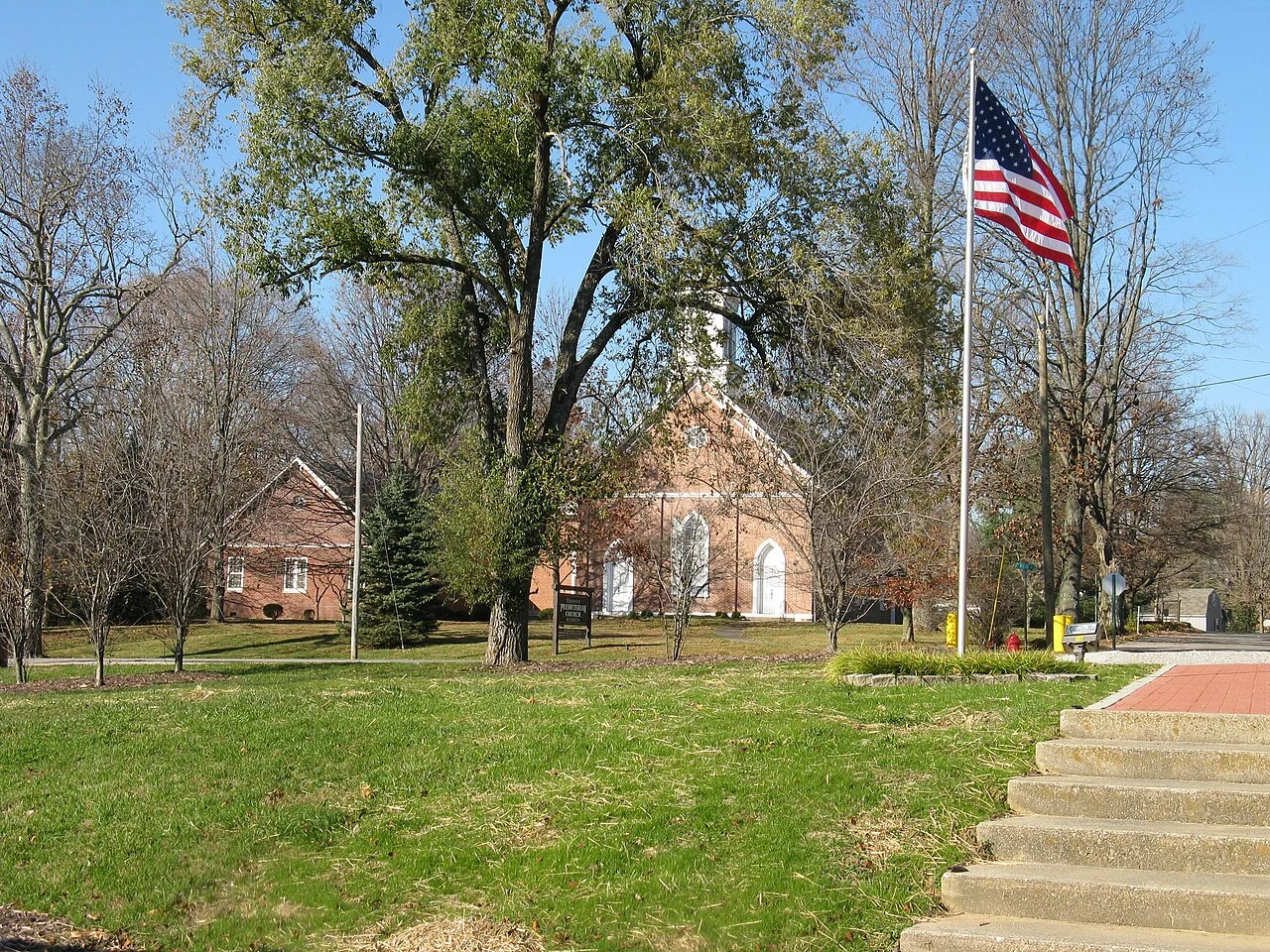
This is a place for a focused historical visit and a careful look at rural living. It does not have the concentration of shops and attractions found in nearby Madison. Its appeal comes from the landscape, the history embedded in it, and the possibility of a home with a different relationship to land and neighbors.
Homes & everyday life
in Lancaster.
A Lancaster-area search is best organized around land, road access, buildings, and utilities. Compare parcels with similar usable acreage and improvements instead of treating the rural mailing area as one housing type.
Look a little closer.
Walk the property, review easements and restrictions, and include outbuildings in your budget. Make the full trip to regular services and work before deciding how the setting fits your routine.
Tina’s Green Tree home search.
Opens in a new tab.
Get your bearings
This guide concerns Lancaster in Jefferson County, southeastern Indiana, near State Road 250. Do not confuse it with other Lancaster communities or townships in Indiana.
The community name, Lancaster Township, and a property's postal address are different pieces of information. Eleutherian College, for example, is associated with Lancaster but publishes a Madison mailing address: 6927 West State Road 250. For property searches, use the actual parcel and county records rather than assuming the postal city defines the setting. College directions, Jefferson County township information
Sights and experiences to plan
1. A guided visit to Eleutherian College
Address: 6927 West State Road 250.
Make the college the anchor of a Lancaster visit. Its volunteer guides can connect the building to the school's founders, students, and wider community.
Tours are by appointment only. Arrange the visit before driving out, especially if your main interest is seeing the interior. The site is not an operating college with a daily admissions desk. Tour arrangements
2. The limestone chapel and classroom building
Part of the college visit.
Constructed from locally quarried limestone in 1852–54, the three-story building is the surviving structure from a larger campus. The first-floor chapel and the classrooms above express the site's combined religious and educational purposes.
Look at the substantial masonry and tall chapel windows. Knowing that other campus buildings are gone helps avoid mistaking today's single building for the institution's original full extent. Building and grounds
3. The historical marker
At the college site.
Read both sides of the marker before or after the tour. It summarizes the founding, educational mission, and national recognition, while also placing the site in the broader history of the Underground Railroad.
The Historical Bureau's online page includes supporting research, making it a useful follow-up for readers who want more than the short text on a roadside sign. Marker text and documentation
4. The traces left by students
Discuss with a guide during the college visit.
The building's upper-floor plaster contains signatures left by students and later visitors. These marks raise an interesting preservation question: which traces of use should remain visible when a historic building is restored?
The site's account identifies an apparently dated signature from 1858. Ask which areas and features can be seen during your tour; the description of an upper-floor feature is not a promise of unrestricted access to every room. Student signatures and preservation
5. Public programs at the college
Scheduled events, not daily attractions.
The college has hosted talks and cultural programs that connect its history with the wider Ohio Valley. A 2025 folkways symposium, for example, brought together poetry, music, and regional history.
Use current announcements when planning. Archived event listings demonstrate the kinds of programming the site has offered, but their dates should not be reused as future events. College news and event links, Example of a past program
6. Clifty Falls State Park — a separate nearby outing
In Madison, not Lancaster.
A college tour can be paired with a nature outing in the broader area. Clifty Falls offers waterfalls, canyon scenery, and trails ranging from easier options to strenuous terrain.
As checked October 16, 2026, Brough's Tunnel is closed indefinitely because of rockfall concerns. Consult DNR's current alerts and choose a route appropriate to conditions. This is a separate destination with its own entrance and visitor arrangements. DNR park information
A history distinction worth knowing
The surrounding antislavery community included people who assisted freedom seekers. That does not establish that the college building itself hid escaping people.
The college's own building history says historians doubt that the school buildings served that purpose, partly because doing so could have endangered the students. Keep the documented educational role and the wider Underground Railroad network connected without turning them into the same claim. College's discussion of the distinction
Rural living and real estate things to know
A Lancaster-area home search should begin with the property itself: its road, land, utilities, and relationship to regular destinations. Generic labels such as “north farmland” or “wooded south” are not substitutes for verified neighborhood or subdivision names.
For acreage, establish how much land is practically usable. Walk the ground, identify drainage patterns and slopes, and understand driveway access. Confirm property lines, easements, and any restrictions before planning additional buildings or a different use.
Determine water and wastewater arrangements, internet availability, and the condition of electrical and other services. For a house with a barn or other outbuilding, include those structures in the inspection and maintenance budget rather than treating them as cost-free extras.
If considering an older property, investigate its actual age, alterations, and condition. Proximity to a historic landmark does not establish the house's provenance or restoration needs. Conversely, a documented historic property may have requirements that deserve attention before work is priced.
Plan daily travel honestly. Visit the services you expect to use and drive your likely work route at the relevant time. A rural location near Madison should not automatically be advertised as an easy Louisville commute.
For value, compare recent sales with similar acreage, access, building condition, and utility arrangements. A single broad price range can be especially misleading where land and outbuildings make up very different portions of each property.
A good first visit
Arrange the college tour first, then build the day around it. Read the marker, ask about the site's changing educational uses, and leave time to understand the landscape from public roads and authorized visitor areas.
If considering a move, make a second visit focused on the actual property and routine errands. The landmark explains Lancaster's historical significance; the parcel and its connections explain what living there would involve.
Before you make a move.
Schools, ownership costs, and the questions to bring to a home tour.
Where should I start a home search in Lancaster?
A Lancaster-area search is best organized around land, road access, buildings, and utilities. Compare parcels with similar usable acreage and improvements instead of treating the rural mailing area as one housing type. Start by choosing which of those priorities matters most, then compare properties with similar condition, setting, and ownership responsibilities.
How do I check the schools for a particular home?
Use the exact address to identify the responsible district, then confirm the school for each grade and the year you plan to enroll. A nearby school or a community name in a listing is not an attendance assignment. Ask the district about enrollment and transportation for your situation.
Indiana Department of Education school directoryHow should I compare prices and monthly costs?
Ask Tina for recent comparable sales matched to the home’s location, condition, size, and land. For monthly planning, include taxes, insurance, and any association fees alongside the mortgage, then allow for utilities, repairs, and ongoing maintenance. Obtain estimates for the property you are considering.
CFPB guide to ownership costsWhat should I do during a first property visit?
Walk the property, review easements and restrictions, and include outbuildings in your budget. Make the full trip to regular services and work before deciding how the setting fits your routine. Also make the trips you would repeat during a normal week, at the times you would use them. The suggested first visit in this guide introduces local places; a home tour should test your everyday routine too.
Can I make changes after buying?
Before budgeting for an addition, exterior renovation, outbuilding, or different use, identify the property’s jurisdiction and ask the responsible planning office about the project. Review recorded restrictions and association documents where applicable. For an older home, also establish whether historic-district review applies.
A few places to compare.
Explore another community, then talk with Tina about how the homes and daily routines fit your plans.
Follow along.
Local listings, market updates, and open houses.