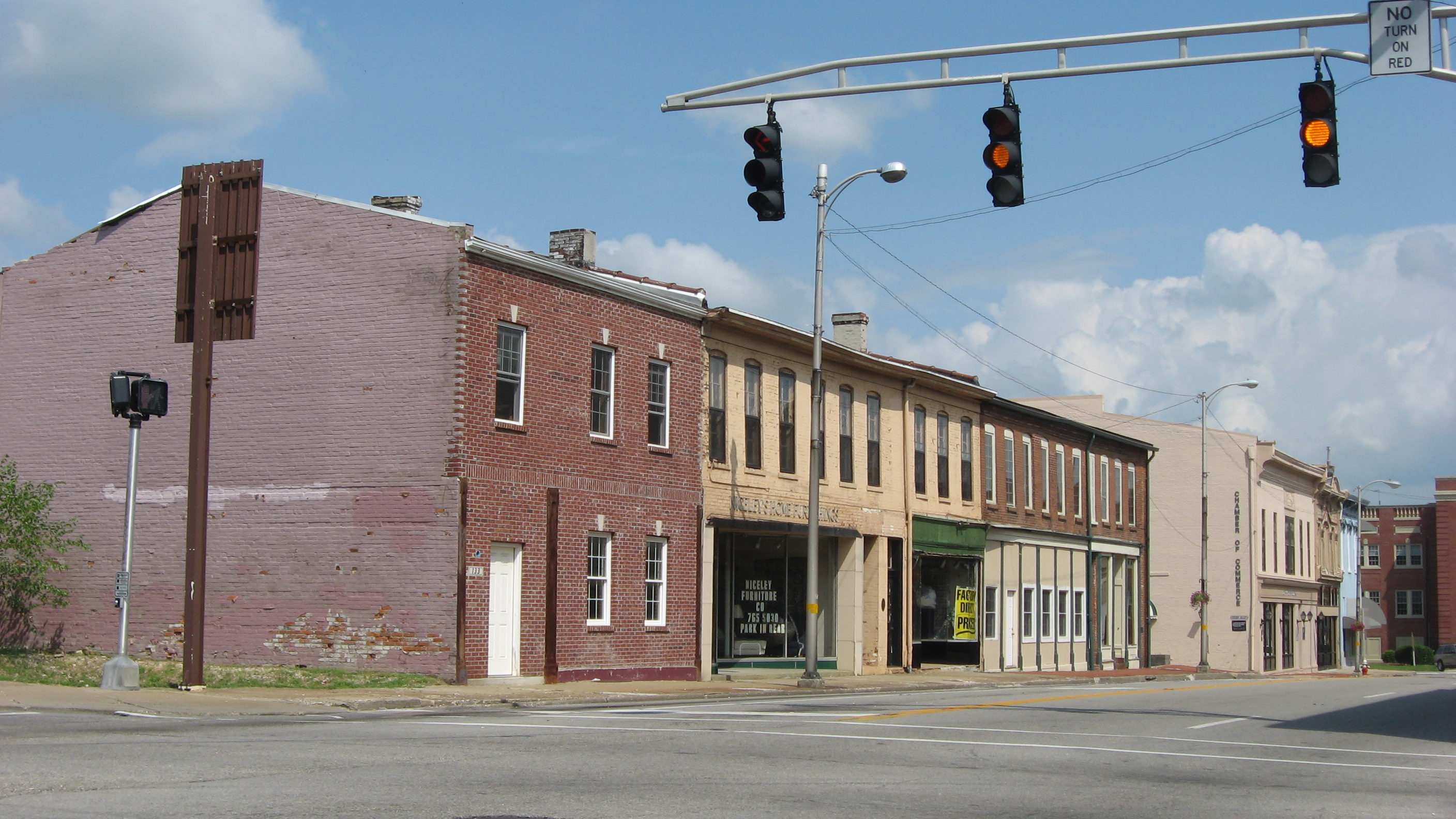
A useful first visit combines the downtown square with Freeman Lake. Together, they show two important parts of the city: a history shaped by transportation and regional commerce, and public spaces that support everyday outdoor activity. A home search should then narrow to the particular neighborhood and the actual routes you would use.
Homes & everyday life
in Elizabethtown.
Compare the setting as well as the house: an established street, a location near services, and an outlying property create different routines. Use age, condition, land, and access to identify meaningful comparisons.
Look a little closer.
Drive the route to work and errands from the address itself. Review utilities and drainage, and separate proposed nearby projects from amenities that are already available.
Tina’s Green Tree home search.
Opens in a new tab.
Get your bearings
The downtown square, Dixie Highway, and the I-65 corridor provide useful orientation. Freeman Lake is a separate destination from the historic center, with several activity areas and access points. Plan around the entrance appropriate to the activity rather than assuming every attraction is beside one parking lot.
If your search extends outside the city, distinguish an Elizabethtown mailing address from municipal limits and other Hardin County communities. School districts and services need an address-level check, particularly where an independent school district and county system serve different locations.
Sights to see and things to do
Walk the downtown square
Begin with the cannonball marker, then allow time to look at the surrounding buildings and make a stop at a current local business. The square offers a compact introduction to E-town's civic and commercial identity.
Treat the cannonball as part of a larger walk rather than a destination requiring a long standalone visit. Businesses occupy the historic center, so respect entrances and working spaces while viewing buildings from public sidewalks. Downtown cannonball visitor information
Spend time at Freeman Lake Park
The park centers on a 170-acre lake and offers trails, playgrounds, picnic areas, fishing, boating, and athletic facilities. The city lists tennis, pickleball, sand volleyball, disc golf, and a dog park among its features.
Choose the visit you want rather than attempting to cover everything at once. A lakeside walk, a history stop, and an afternoon of sport can involve different sections of the park. Use current maps and facility information to plan the route. Freeman Lake Park
Plan lake activities around the actual rules
Freeman Lake is a managed recreation lake, not an unrestricted swimming destination. The city prohibits swimming and identifies specific fishing permits and boating rules. Boat rentals depend on season and weather, and the lake operates under an idle-speed requirement.
Check the current requirements before bringing equipment. The distinction matters because a general description of “lake access” can suggest activities that are not permitted at a particular public facility. Fishing and boating information
Explore Swope's Cars of Yesteryear Museum
The tourism office highlights this automobile collection off Dixie Highway, with vehicles spanning the early twentieth century through the 1960s. It offers a different kind of historical outing from the downtown battle story or the park's buildings.
Allow time to read the display information and look at changes in automobile design, materials, and interior arrangements. Confirm the museum's current hours and admission arrangements before a special trip. Tourism overview of Swope's museum
Use the recreation network as part of a neighborhood visit
Freeman Lake's courts, disc-golf course, trails, and dog areas can help you assess how a particular home connects with ordinary leisure activities. The useful question is not just whether the city has these facilities, but how easily you would reach the ones you expect to use.
For a recurring activity, check programming and reservations as well as distance. A court may host organized play, a pavilion may be reserved, and a rental service may follow a different schedule from the park grounds. City recreation details
Real estate and everyday living
Start by comparing the setting of each property. A home near the older downtown, one near a major commercial road, and a house in an outlying subdivision can offer very different access, street character, and maintenance needs. A broad E-town search result is a starting point, not a complete neighborhood description.
For an older house, investigate the condition of major systems, roof, foundation, drainage, and additions. For newer construction, review the builder's scope, warranties where applicable, remaining development work, and association documents. In either case, compare usable space and actual condition rather than relying only on square footage or updated finishes.
If employment elsewhere is part of the move, test the exact route. Elizabethtown's relationship to Louisville, Fort Knox, and other regional destinations varies by origin, destination, and travel time. Do not treat a highway connection as a fixed commute promise. Include ordinary errands and recurring appointments in the same exercise.
Verify the school district and assignment directly for the address. Also establish city limits, taxes, utility providers, and any association obligations. A property outside the municipality may have different service arrangements even if the mailing address uses Elizabethtown.
For a lot near water, a drainage channel, or a low area, use property-specific information to understand flood exposure and drainage history. A house near a public lake does not automatically have private water access or the same conditions as another nearby property.
Current market comparisons should match location, age, size, condition, and lot characteristics. This guide avoids a single undated price figure because E-town's different property settings need more careful comparison than that.
A useful first visit
Walk the square, look for the cannonball, and make a normal downtown stop. Then visit Freeman Lake for the activity that interests you most. Add Swope's museum if time allows, and finish with the residential areas and travel routes relevant to your search. That sequence shows both the city's visitor attractions and the practical geography of living there.
Before you make a move.
Schools, ownership costs, and the questions to bring to a home tour.
Where should I start a home search in Elizabethtown?
Compare the setting as well as the house: an established street, a location near services, and an outlying property create different routines. Use age, condition, land, and access to identify meaningful comparisons. Start by choosing which of those priorities matters most, then compare properties with similar condition, setting, and ownership responsibilities.
How do I check the schools for a particular home?
Use the exact address to identify the responsible district, then confirm the school for each grade and the year you plan to enroll. A nearby school or a community name in a listing is not an attendance assignment. Ask the district about enrollment and transportation for your situation.
Kentucky school and district directoryHow should I compare prices and monthly costs?
Ask Tina for recent comparable sales matched to the home’s location, condition, size, and land. For monthly planning, include taxes, insurance, and any association fees alongside the mortgage, then allow for utilities, repairs, and ongoing maintenance. Obtain estimates for the property you are considering.
CFPB guide to ownership costsWhat should I do during a first property visit?
Drive the route to work and errands from the address itself. Review utilities and drainage, and separate proposed nearby projects from amenities that are already available. Also make the trips you would repeat during a normal week, at the times you would use them. The suggested first visit in this guide introduces local places; a home tour should test your everyday routine too.
Can I make changes after buying?
Before budgeting for an addition, exterior renovation, outbuilding, or different use, identify the property’s jurisdiction and ask the responsible planning office about the project. Review recorded restrictions and association documents where applicable. For an older home, also establish whether historic-district review applies.
A few places to compare.
Explore another community, then talk with Tina about how the homes and daily routines fit your plans.
Follow along.
Local listings, market updates, and open houses.