The most useful approach is to compare their settings. Prospect connects with creek valleys and the northeastern river corridor. Anchorage has a historic village identity and wooded residential landscape. Indian Hills is closer to the inner East End and includes neighborhoods shaped by different periods of planning and development. The right comparison depends on the property, the daily destination, and the kind of surroundings you want.
Homes & everyday life
in Louisville’s East End.
Define what luxury means for your own search: architecture, interior function, privacy, land, location, or a combination. An estate property, a planned neighborhood, and a condominium require different comparisons.
Look a little closer.
Identify the exact municipality and development behind the marketing label. Compare maintenance, association responsibilities, usable outdoor space, and the routes you would use before judging by size or finishes.
Tina’s Green Tree home search.
Opens in a new tab.
Understand the geography first
“East End luxury” is a regional real estate category, not a municipality, school district, or legally defined boundary. A listing may use it to describe a location or price position, but it does not establish services, taxes, school eligibility, or access to private amenities.
Likewise, a Prospect mailing address can cover a wider area than the incorporated city. The county line matters in the northeastern part of the region. Before comparing two houses, identify the municipality and county for each parcel, then review the actual neighborhood and association documents. Prospect neighborhood information, Jefferson County PVA regional guide
Sights to see nearby
Locust Grove
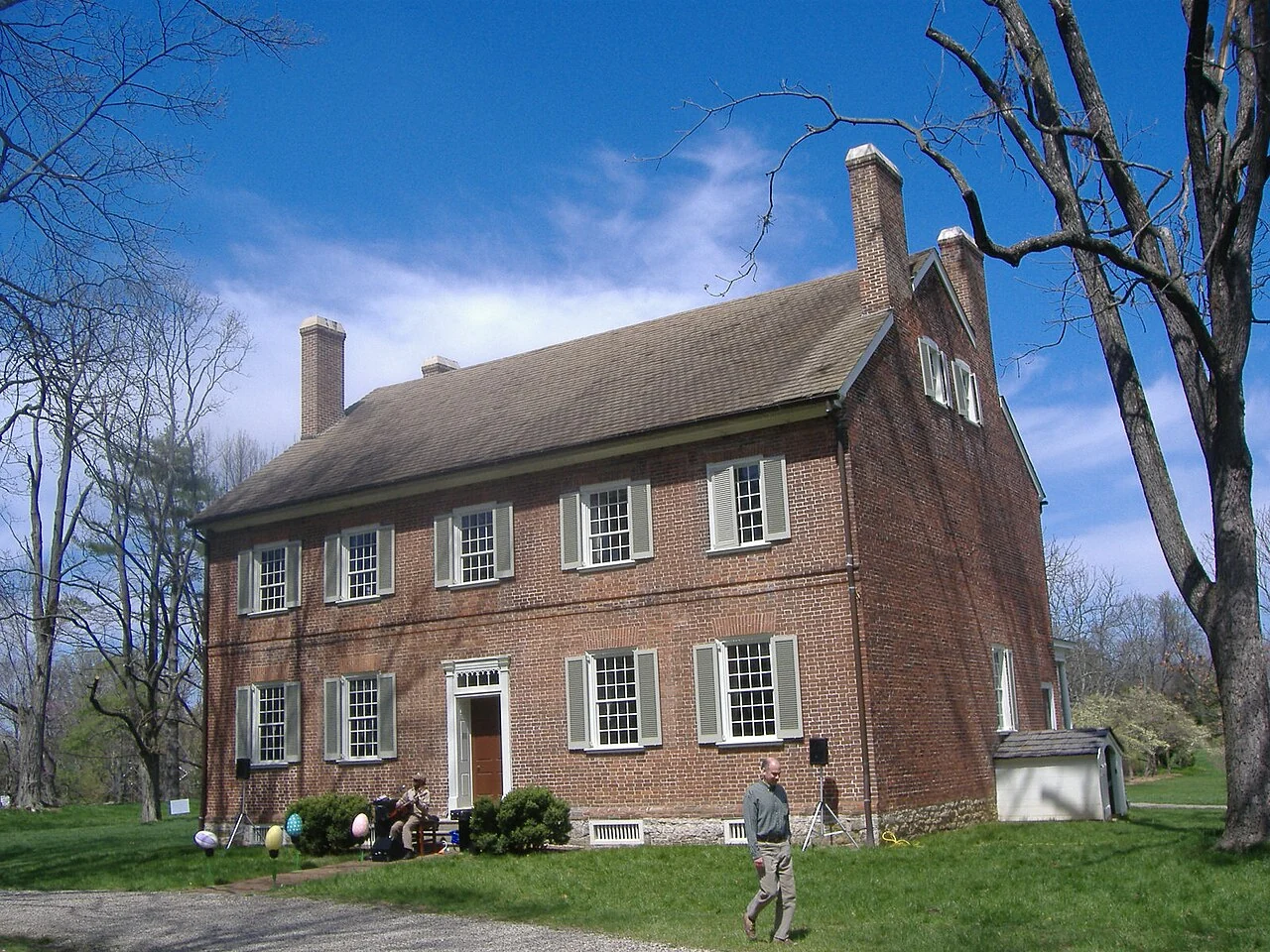
Locust Grove at 561 Blankenbaker Lane offers a substantial historical visit in the broader East End. The site interprets the Croghan household, George Rogers Clark's connection, and the lives and labor of enslaved people who were essential to the property.
This is a public historic destination with visitor arrangements, unlike the many privately occupied historic houses in surrounding neighborhoods. Use its current program and admission information when planning a tour. Locust Grove
Harrods Creek Park
Prospect's 109-acre Harrods Creek Park includes roughly four miles of trails and a creek-access setting. The city describes access from Montero Drive and the park road, with a carry required to reach the paddling launch.
The opposite creek bank includes private property, so stay within public access areas. Choose a trail based on its actual terrain, and check conditions after rain. A scenic creek is also a changing natural environment. Harrods Creek Park
Hays Kennedy Park and Garvin Brown Nature Preserve
These neighboring destinations provide a public way to experience the Ohio River corridor. Hays Kennedy Park, at 7003 Beachland Beach Road, offers recreation space, while Garvin Brown Nature Preserve protects riverfront land with walking opportunities.
River Fields' visitor information specifies dawn-to-dusk access and leashed dogs at the preserve. Its proposed improvement plans should not be confused with facilities already constructed. The preserve's grass and dirt routes also offer a different walking experience from a paved urban promenade. Hays Kennedy Park, Garvin Brown visitor information
Prospect's smaller civic green spaces
Little Hunting Creek Park near City Hall offers a smaller-scale outing with a playground and pavilion, plus a connection toward the Putney Pond area. These everyday public spaces can be as relevant to a housing decision as a larger destination park. Little Hunting Creek Park
Real estate: what changes at this end of the market
The term “luxury” can describe size, architecture, finishes, privacy, location, or a combination of those features. It does not establish construction quality or condition. Compare the actual assets: layout, usable land, views, materials, renovation work, outdoor improvements, and access to daily destinations.
Large or custom houses can contain systems that deserve specialist review. Examples include multiple heating and cooling zones, extensive drainage work, pools, retaining walls, irrigation, detached buildings, and complex rooflines. Obtain maintenance records and understand the ongoing cost of the features you are buying.
On wooded or sloping parcels, look beyond the view. Evaluate tree condition, driveway grade, surface-water movement, retaining structures, and the relationship between the house and any creek or low area. River proximity is not the same as river access, and a view does not establish a dock right, easement, or permission to use neighboring land.
Club and association amenities need separate verification. Living beside a golf course does not automatically confer membership. Request current dues, initiation requirements where relevant, guest rules, and ownership documents. Distinguish a neighborhood association from a private club and from municipal services.
School questions require the same precision. Municipality, mailing address, county, and attendance boundary are separate layers. Confirm the current assignment for the parcel directly with the appropriate district, including any independent-district boundary that may be relevant.
Finally, test the actual commute. Two East End properties can connect to very different roads, bridges, or freeway entrances. A regional label cannot promise a fixed travel time. Current comparable sales should be selected for the property's specific setting and features, with care around unusually large lots or heavily customized homes.
A useful first visit
Choose one neighborhood in each community and compare them on the same day. Add Locust Grove or a public creek or river park, then drive the routes to your normal destinations. Focus on street character, access, privacy, and maintenance demands. That produces a more useful comparison than assuming all three places offer the same version of East End living.
Before you make a move.
Schools, ownership costs, and the questions to bring to a home tour.
Where should I start a home search in Louisville's East End: Prospect?
Define what luxury means for your own search: architecture, interior function, privacy, land, location, or a combination. An estate property, a planned neighborhood, and a condominium require different comparisons. Start by choosing which of those priorities matters most, then compare properties with similar condition, setting, and ownership responsibilities.
How do I check the schools for a particular home?
Use the exact address to identify the responsible district, then confirm the school for each grade and the year you plan to enroll. A nearby school or a community name in a listing is not an attendance assignment. Ask the district about enrollment and transportation for your situation.
Kentucky school and district directoryHow should I compare prices and monthly costs?
Ask Tina for recent comparable sales matched to the home’s location, condition, size, and land. For monthly planning, include taxes, insurance, and any association fees alongside the mortgage, then allow for utilities, repairs, and ongoing maintenance. Obtain estimates for the property you are considering.
CFPB guide to ownership costsWhat should I do during a first property visit?
Identify the exact municipality and development behind the marketing label. Compare maintenance, association responsibilities, usable outdoor space, and the routes you would use before judging by size or finishes. Also make the trips you would repeat during a normal week, at the times you would use them. The suggested first visit in this guide introduces local places; a home tour should test your everyday routine too.
Can I make changes after buying?
Before budgeting for an addition, exterior renovation, outbuilding, or different use, identify the property’s jurisdiction and ask the responsible planning office about the project. Review recorded restrictions and association documents where applicable. For an older home, also establish whether historic-district review applies.
A few places to compare.
Explore another community, then talk with Tina about how the homes and daily routines fit your plans.
Follow along.
Local listings, market updates, and open houses.